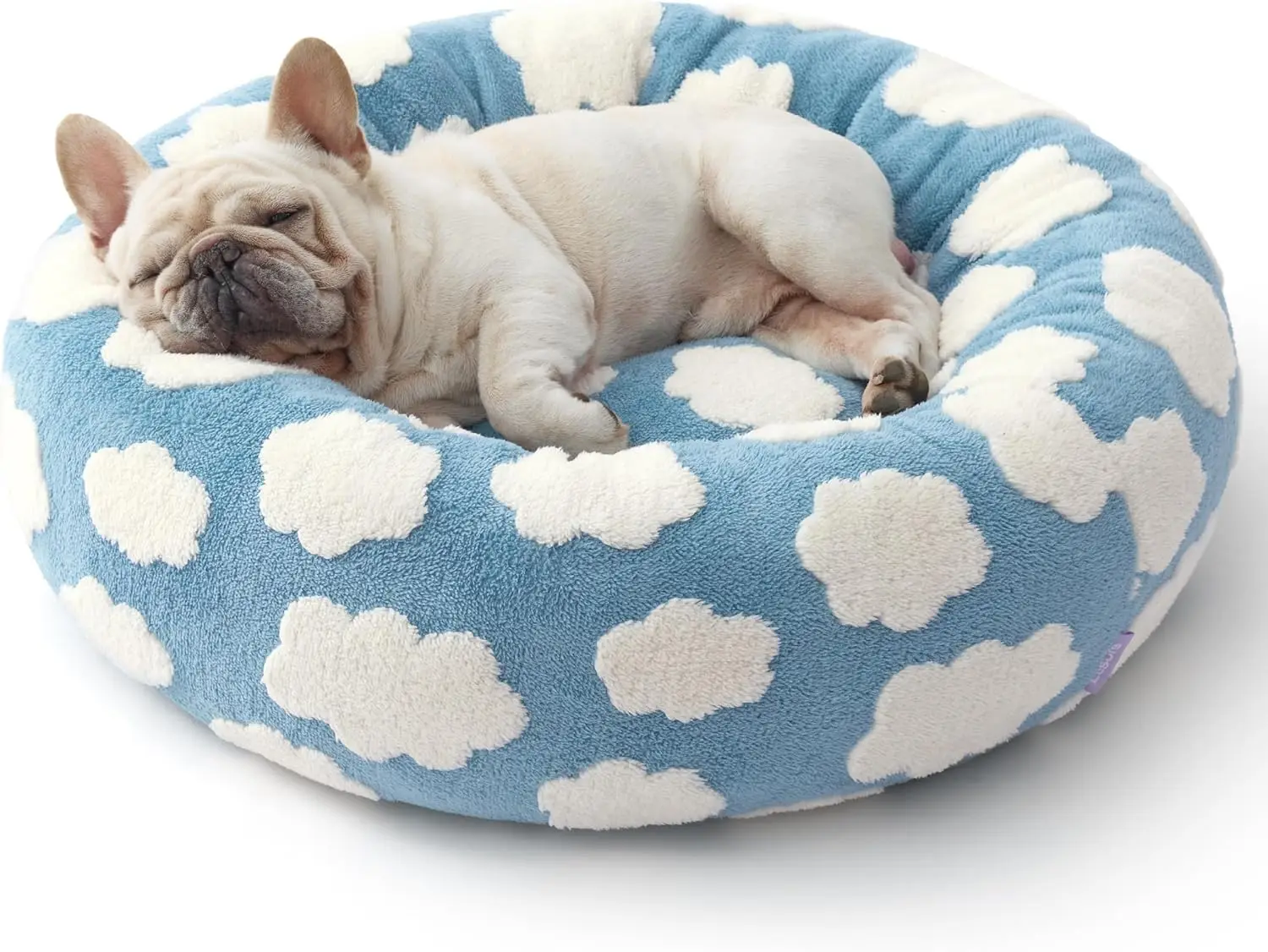
Choosing the right pet bed may seem simple at first, but size matters more than many pet owners realize. A bed that is too small can leave your pet feeling cramped, unsupported, and uncomfortable. A bed that is too large may not give them the cozy, secure feeling they naturally enjoy. The right size pet bed gives your furry friend a comfortable place to rest, stretch, curl up, and feel safe.
Pets spend a lot of time resting throughout the day. Whether you have a playful puppy, a relaxed senior dog, a curious cat, or a pet that loves having their own corner of the home, a properly sized bed can make a big difference in their comfort. The best pet bed is not just about color, shape, or style. It should match your pet’s body size, sleeping habits, and everyday needs.
Why Pet Bed Size Matters
A pet bed should support your pet’s full body. When a pet sleeps on a bed that does not fit well, they may hang off the edges, curl up tighter than they want to, or avoid the bed altogether. Over time, this can make the bed less useful and may cause your pet to choose the couch, rug, laundry pile, or your bed instead.
The right size bed gives pets a space that feels like their own. It helps them settle down, relax, and enjoy better rest. For older pets, larger breeds, or pets with joint stiffness, a properly sized bed can also help reduce pressure on hips, shoulders, elbows, and paws. Even younger pets benefit from having a soft and supportive place to recharge after playtime.
A good pet bed should allow your pet to move naturally. Some pets love to sprawl out with their legs stretched in every direction. Others prefer curling into a tight ball. Some switch between both positions depending on the day. When you choose a bed, it should fit the way your pet actually sleeps, not just how big they look when standing.
Measure Your Pet Before Choosing a Bed
One of the easiest ways to choose the right size pet bed is to measure your pet. This removes the guesswork and helps you find a bed that truly fits. Start by measuring your pet from the tip of their nose to the base of their tail. This gives you a good idea of their full body length.
Next, measure from shoulder to shoulder or across the widest part of their body. This is especially helpful for pets that sleep on their side or stretch out. Once you have those measurements, add a few extra inches to each side. This gives your pet enough room to shift, turn, and settle comfortably.
For dogs, adding 6 to 12 inches to their body length is usually a good rule. Smaller dogs may only need a few extra inches, while larger dogs need more space. For cats, pay attention to whether they like enclosed spaces or open cushions. Cats often enjoy beds that are roomy enough to stretch but cozy enough to feel protected.
If your pet is still growing, choose a bed that gives them space to grow into it. Puppies and kittens can outgrow small beds quickly, so it may be better to select a slightly larger option rather than replacing the bed too soon.
Watch How Your Pet Sleeps
Your pet’s sleeping style is one of the biggest clues for picking the right bed size. A curled-up sleeper may love a round or oval bed with raised edges. These beds help pets feel tucked in and secure. They are great for pets that like to nest, burrow, or rest their head along the side.
A pet that stretches out needs a longer, flatter bed. Rectangular beds, mattress-style beds, or cushion beds are often better for pets that sleep on their side or back. These beds give them room to extend their legs and relax without feeling boxed in.
Some pets love leaning against something while they sleep. For them, a bolster bed may be a great choice. The raised sides provide a soft place to rest their head while still offering enough room in the middle. When choosing a bolster bed, make sure the inside sleeping space is large enough. Sometimes the outside dimensions look big, but the raised sides reduce the usable space.
If your pet changes sleeping positions often, choose a bed with extra room. A slightly larger bed gives them more freedom to move around and get comfortable.
Consider Your Pet’s Weight
Size is not only about length and width. Your pet’s weight also matters. A small but heavy pet may need a thicker, more supportive bed than a lightweight pet of the same size. Large dogs, senior pets, and pets with joint concerns often benefit from thicker cushioning or orthopedic-style support.
If a bed is too thin, your pet may sink through it and feel the floor underneath. This can make the bed less comfortable, especially on hard surfaces. A supportive bed should hold your pet’s weight while still feeling soft and cozy.
For lightweight pets, plush beds, soft cushions, and smaller padded beds may work well. For heavier pets, look for beds that keep their shape and provide steady support. Always check the size and weight guidance when available so the bed matches your pet’s needs.
Think About Where the Bed Will Go
Before buying a pet bed, think about where you plan to place it. Measure the space in your home to make sure the bed fits comfortably. A bed that is too large for the room may feel awkward or get in the way. A bed that is placed in a noisy or busy area may not be used as often.
Pets usually enjoy resting in a spot that feels calm but still connected to the household. A corner of the living room, bedroom, office, or quiet hallway can work well. If your pet likes being near you, place the bed somewhere they can relax while still seeing what is going on.
If you want a bed for a crate, kennel, or pet furniture piece, measure the inside area carefully. The bed should fit inside without folding, bunching, or blocking your pet’s movement. A crate bed should allow your pet to lie down comfortably while still leaving enough room to turn around.
Do Not Choose Based on Breed Alone
Breed can help give you a general idea, but it should not be the only thing you use to choose a bed. Pets within the same breed can vary in size, weight, and sleeping style. One small dog may love stretching out, while another may prefer curling up. One cat may enjoy a wide cushion, while another may choose a small cozy nest.
Instead of relying only on breed labels, focus on your pet’s actual measurements and habits. This helps you choose something more personal and comfortable for them.
Make Room for Comfort Items
Some pets like sleeping with a toy, blanket, or comfort item. If your pet often carries toys to bed or likes nesting with soft blankets, choose a bed with a little extra space. This allows them to enjoy their favorite items without crowding the sleeping area.
For pets that love burrowing, a slightly larger bed with soft sides or a blanket-friendly surface can be helpful. For pets that get warm easily, avoid choosing a bed that is too tight or enclosed.
Signs the Bed Is Too Small
Your pet’s behavior can tell you if the bed is not the right size. If your pet hangs off the edges, avoids the bed, circles repeatedly without settling, or only uses part of it for short naps, the bed may be too small or uncomfortable.
Another sign is if your pet prefers sleeping next to the bed instead of on it. This may mean the bed does not give them enough space or support. Pets are good at finding comfortable spots, so pay attention to where they naturally choose to rest.
Signs the Bed Is Too Large
A bed that is too large may not seem like a problem, but some pets feel less secure in oversized spaces. If your pet only uses one small corner of the bed or seems unsure about it, the bed may feel too open. This is especially common for small dogs and cats that prefer cozy spaces.
For pets that like security, a bed with raised sides can help. It gives them room while still creating a snug resting place.
Choosing the Best Fit
The best pet bed size is one that gives your pet enough room to rest naturally while still feeling comfortable and secure. Measure your pet, observe how they sleep, consider their weight, and think about where the bed will go. These simple steps can help you avoid choosing a bed that is too small, too thin, or too oversized.
A well-sized bed can become your pet’s favorite place in the home. It gives them a soft landing after play, a peaceful spot for naps, and a cozy place to settle at the end of the day.
Conclusion
Picking the right size pet bed is one of the easiest ways to improve your pet’s everyday comfort. When the bed fits their body, sleeping style, and support needs, they are more likely to use it and enjoy it. A good pet bed should feel soft, roomy, secure, and made for the way your pet likes to rest.
By taking a few minutes to measure your pet and watch their sleeping habits, you can choose a bed that truly works for them. The right fit helps create a comfortable space where your pet can relax, recharge, and feel right at home.